
 Social media has become an essential part of modern life. Platforms such as Instagram, Facebook, WhatsApp, YouTube, and X allow people to stay connected with friends and family, discover news and information, and enjoy entertainment. For many people, social media is now a regular part of their daily routine. However, excessive use can affect our health, relationships, and how we receive information.
Social media has both positive and negative effects. It can help people communicate across long distances, learn new things, discover opportunities, and express their opinions. At the same time, excessive or unhealthy use can contribute to problems such as stress, loneliness, sleep disturbances, cyberbullying, and reduced face-to-face interaction. Therefore, understanding the influence of social media is important so that we can use these platforms in a healthier and more responsible way.
Social Media’s Effect on Mental Health
One of the most discussed effects of social media is its influence on mental health. Social media allows people to communicate and share their experiences, but constant exposure to carefully selected posts can sometimes create unrealistic expectations about life.
People often compare their own lives with the pictures, achievements, appearances, and lifestyles they see online. Since social media generally shows only selected moments, users may feel that everyone else is happier, more successful, or living a better life. This type of comparison can contribute to feelings of insecurity, loneliness, anxiety, or dissatisfaction.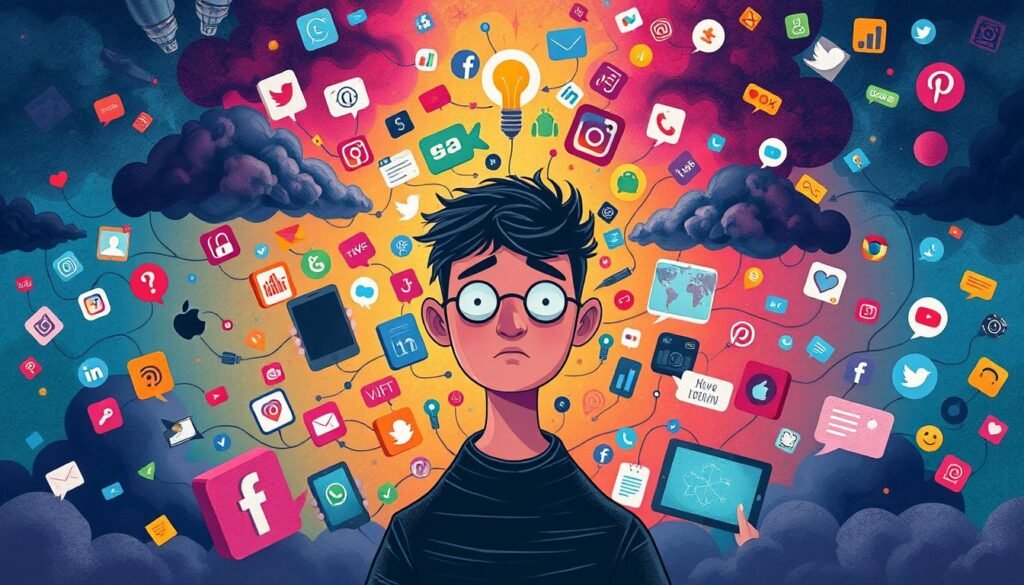
Another concern is the amount of time people spend scrolling through social media. Excessive screen time, particularly before sleeping, can interfere with healthy sleep habits. Cyberbullying and negative comments can also affect a person’s emotional well-being. For these reasons, taking regular breaks and maintaining healthy boundaries around social media use can be helpful.
The Importance of Social Media for Businesses
Social media has become an important way for businesses to communicate with their customers. Companies can use platforms such as Instagram, Facebook, YouTube, LinkedIn, and Pinterest to introduce their products or services, answer customer questions, share updates, and build relationships with their audiences.
Social media has also created new opportunities for content creators and influencers. People who build large audiences on platforms such as Instagram, YouTube, and TikTok can collaborate with businesses and introduce products to their followers.
However, social media is also highly competitive. Millions of posts are published every day, making it difficult for individual creators and businesses to attract attention. Changes in platform algorithms can also affect how many people see particular posts. As a result, maintaining a strong online presence requires creativity, consistency, and meaningful communication with audiences.
The Influence of Social Media on Personal Relationships
Social media has changed the way people communicate with friends and family. Applications such as WhatsApp, Instagram, Facebook, and other messaging platforms make it possible to stay connected even when people live far away from one another. A simple message, photograph, or video call can help maintain relationships across distances.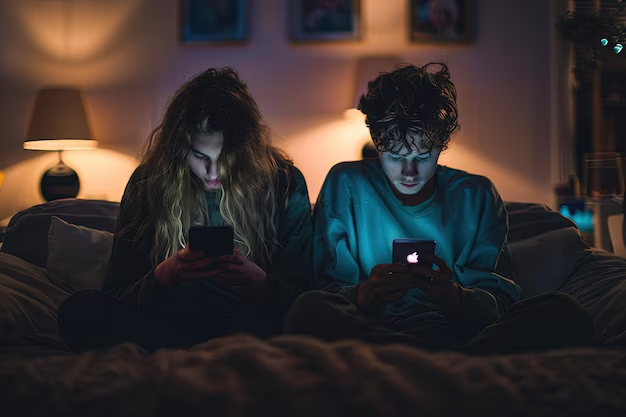
However, online communication cannot always replace personal interaction. When people spend too much time communicating through screens, they may have fewer opportunities for meaningful face-to-face conversations. Constantly checking notifications or using a phone while spending time with others can also reduce the quality of personal interactions.
Social media can sometimes create misunderstandings as well. A message or post may be interpreted differently from what the person intended. People may also feel pressure to respond quickly, remain active online, or share aspects of their personal lives. Maintaining a balance between digital communication and real-world relationships is therefore important.
The Spread of Misinformation and Fake News
Another major concern related to social media is the rapid spread of misinformation. Unlike traditional sources of information, social media allows almost anyone to create and share content. This can be useful for giving people a voice, but it also means that false or misleading information can spread quickly.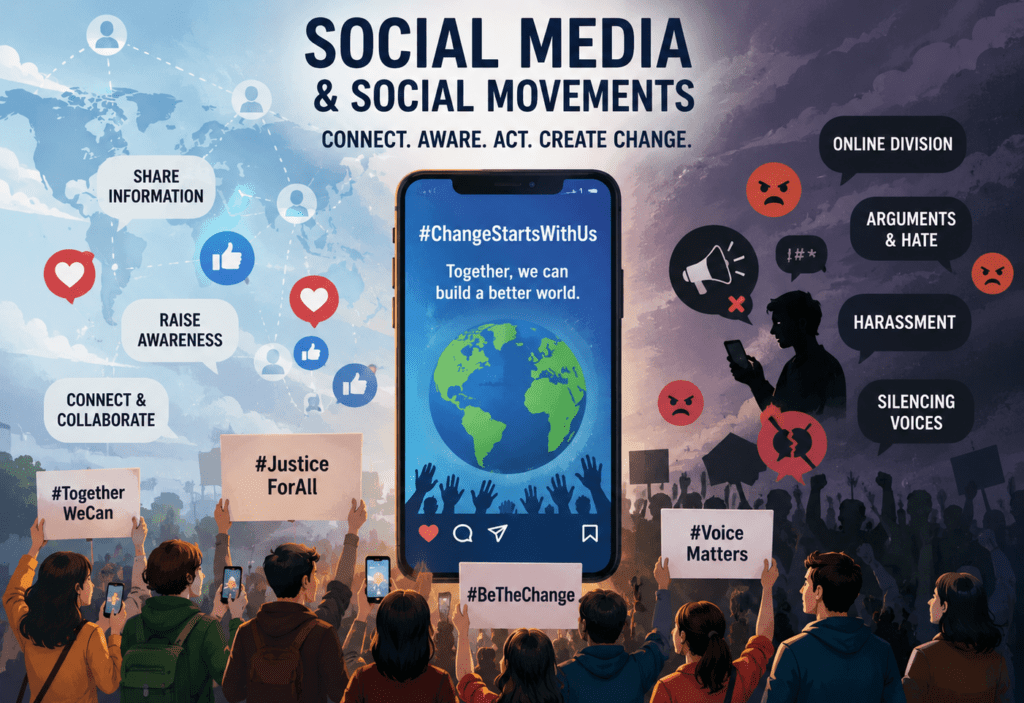
Misinformation can become particularly harmful during emergencies, elections, health crises, or other major events. People may make decisions based on information that has not been properly verified. Emotional or sensational content can also receive significant attention because people are more likely to share content that surprises or shocks them.
Users can help reduce this problem by checking the source of information, looking for confirmation from reliable sources, checking publication dates, and avoiding the immediate sharing of suspicious posts.
Social Media and Social Movements
Social media is a powerful platform for raising awareness and bringing people together for social causes. It allows users to share information, discuss important issues, connect with others, and support movements through hashtags and online campaigns.
However, online discussions can sometimes lead to arguments, harassment, and the silencing of different opinions. Therefore, creating respectful and inclusive online spaces is important for meaningful discussions.
Conclusion
Social media has changed the way we communicate, access information, and connect with others. It offers many benefits, but excessive use can also have negative effects on our mental health, relationships, and daily lives.
Using social media responsibly means checking information before sharing it, protecting our privacy, taking regular breaks, and making time for real-world relationships. By maintaining a healthy balance between our online and offline lives, we can enjoy the benefits of social media while reducing its negative effects.